
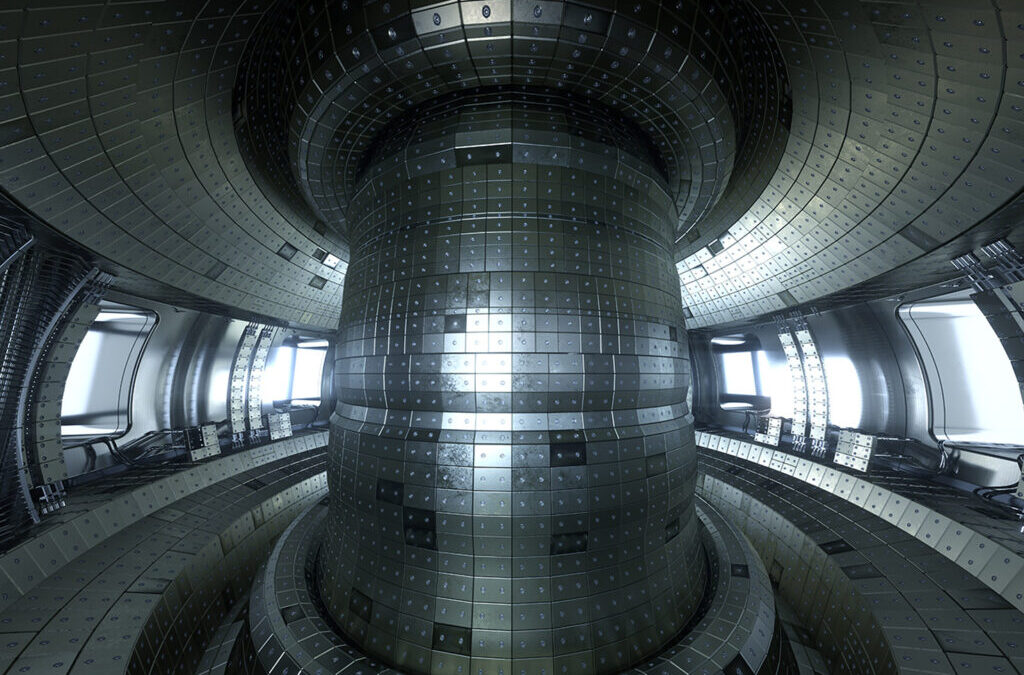
Fujikura has been selected as a supplier of high temperature superconductors to the programme designing and building the UK’s first fusion energy plant.
The company has entered into a framework agreement with UK Industrial Fusion Solutions Ltd (UKIFS), the organization implementing the UK’s fusion energy development programme, which is led by the UK Atomic Energy Authority (UKAEA).
The UK Government’s Industrial Strategy puts fusion energy at the heart of driving innovation, economic growth and energy security. It is investing £2.5 billion over five years to lead the global race for fusion energy, with the STEP (Spherical Tokamak for Energy Production) programme at its core.
STEP is the UK’s flagship fusion programme, aiming to deliver a prototype fusion power plant by 2040 at West Burton, Nottinghamshire.
Fujikura’s contract is a procurement agreement under which UK government agencies pre-select suppliers through a competitive bidding process for procurement from the private sector.
Fujikura has been collaborating with Kyoto Fusioneering to advance high temperature superconductor magnet technologies for fusion machines as part of the STEP programme. This latest achievement marks Fujikura’s continued involvement in the UK’s fusion energy reactor development efforts.
Sho Dutta, Commercial Director at UKIFS, said: “We’re delighted to complete this Framework Agreement with Fujikura, to supply the STEP programme with high temperature superconductors. This is a further step in advancing our programme, to deliver the UK’s prototype fusion power plant and demonstrate the commercial viability of fusion energy.
“Each contract and each supplier helps to build the UK’s fusion capability, bringing us closer to completing our power plant design and beginning construction at our site in Nottinghamshire. Our team is looking forward to working together with Fujikura to deliver that vision.”
Countries around the world – including the US, the UK/EU and Japan, have been progressing fusion energy through their national programmes. In addition, there is increasing activity from private-sector organisations in advancing the industrialisation of fusion energy.